

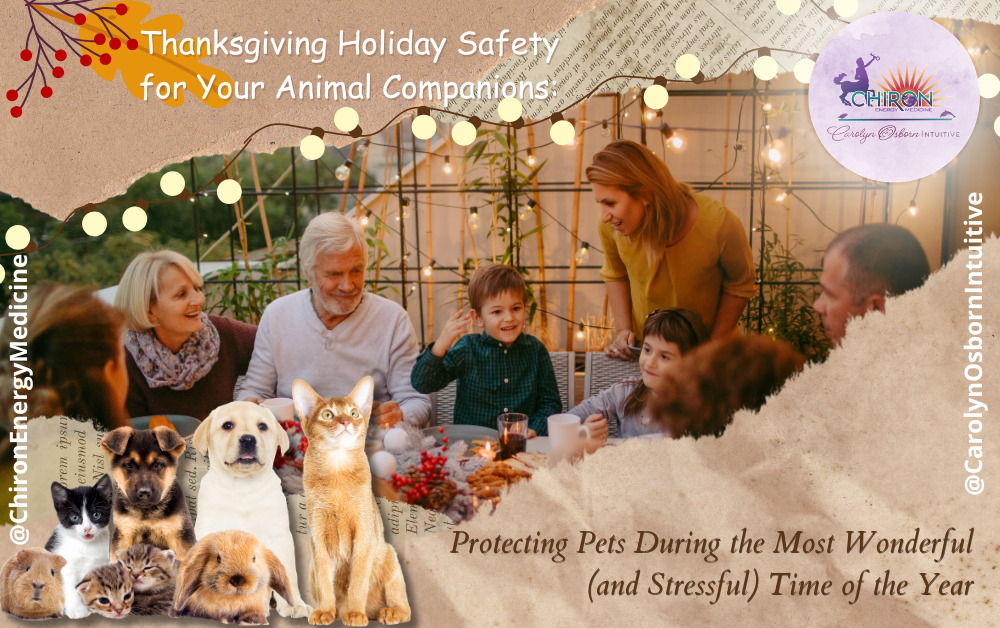
The holiday season brings family gatherings, festive meals, travel plans, decorations, and plenty of excitement. While we look forward to celebrating with loved ones, our pets often experience the holidays very differently.
Changes in routine, unfamiliar guests, tempting foods, travel, and increased activity can create stress, anxiety, and even dangerous situations for your furry family members. What feels festive to you can feel overwhelming to them.
As pet parents, you have an important responsibility to anticipate potential hazards and create a safe, comfortable environment for your animals throughout the holiday season.
Consider this your annual Public Service Announcement: The holidays can significantly affect your pets, but with a little planning and awareness, you can keep them happy, healthy, and safe.
Why the Holidays Can Be Stressful for Pets
Animals thrive on routine. Most pets feel safest when mealtimes, walks, bedtime, and daily activities remain predictable. During the holidays, those routines are often disrupted.
Your pet may experience:
Extra visitors in the home
Changes in feeding schedules
Louder environments
Less exercise
More time alone
Travel and boarding
Unfamiliar animals or people
Increased temptation from holiday foods
Frenetic or chaotic energies
Some pets become anxious or withdrawn, while others become overly excited and reactive. Understanding these changes helps you better support their needs.
Here Are 5 Key Ways to Protect Your Pets During the Holidays
1. Maintain Their Routine as Much as Possible - While holiday schedules may be hectic for humans, consistency helps pets feel secure. Animals rely on familiar patterns. When their routine suddenly changes, stress levels can increase.
How to implement this for your pets:
Feed pets at their normal times.
Maintain regular walks and exercise.
Keep bedtime routines consistent.
Create quiet periods throughout the day.
Continue daily play and interaction.
A predictable routine helps reduce anxiety, even when everything else around them changes.
2. Protect Pets from Dangerous Holiday Foods - One of the most common holiday dangers comes directly from the dining table. Many foods that are harmless to humans can be harmful or even toxic to pets.
Foods to avoid include:
Chocolate
Grapes and raisins
Onions
Garlic
Alcohol
Xylitol-sweetened products
Macadamia nuts
Cooked bones
Excessively fatty foods
Certain desserts and candies
And…the lactose in cream or milk is particularly bad for adult cats
It only takes one well-meaning guest slipping a treat under the table to create a serious problem.
How to implement this for your pets:
Inform guests not to feed your pets.
Keep food out of reach.
Secure trash containers.
Prepare pet-safe treats before gatherings.
Monitor pets during meals and parties.
Remember: Their adorable begging face doesn't mean their stomach can handle holiday leftovers.
3. Create a Safe Retreat Space - Not every pet enjoys large gatherings. Some animals become overwhelmed by noise, children, excitement, and unfamiliar visitors. Creating a quiet sanctuary gives them an opportunity to recharge.
How to implement this for your pets:
Designate a quiet room.
Include favorite blankets and toys.
Allow pets access to their safe space whenever needed.
Let visitors know not to disturb them.
Use calming music or white noise if helpful.
Just like people, pets sometimes need a break from the crowd.
4. Plan Carefully for Holiday Travel - Whether you're taking your pet with you or arranging care while you're away, planning ahead is essential. Last-minute boarding arrangements can create unnecessary stress for both you and your animal companion.
How to implement this for your pets:
Research boarding facilities early.
Visit potential locations beforehand.
Confirm vaccination requirements.
Pack familiar toys or bedding.
Leave detailed care instructions.
Update identification tags and microchip information.
If you're traveling with your pet:
Schedule plenty of breaks.
Bring water and food.
Use a secure carrier or travel harness.
Keep routines as familiar as possible.
The right environment can make all the difference in helping pets feel safe while you're away.
5. Watch for Signs of Stress and Anxiety - Animals can't tell us when they're overwhelmed, but they often show us.
Holiday stress may appear as:
Excessive barking, meowing or panting
Hiding
Pacing
Loss of appetite
Excessive grooming
Changes in bathroom habits
Aggressive behavior
Restlessness
Pay attention to behavioral changes and respond with patience and reassurance.
How to implement this for your pets:
Monitor your pet's behavior daily.
Give them extra exercise.
Offer enrichment activities.
Reduce exposure to stressful situations when possible.
Consult your veterinarian if concerns arise.
Give them a calming chew or supplement
The sooner you recognize stress signals, the easier they are to address.
Keep Doors Secure - Guests frequently coming and going increase the risk of escaped pets.
Make sure:
Gates are secured.
Identification tags are current.
Microchip information is updated.
Family members know to watch entryways.
One distracted moment can lead to a frightened pet slipping outside.
Provide Extra Exercise - An active pet is often a calmer pet. During busy holiday weeks, it can be tempting to skip walks or playtime, but maintaining physical activity helps reduce stress and behavioral issues. Even an extra 15–20 minutes of exercise can make a significant difference.
The Best Gift You Can Give Your Pet
The holidays are ultimately about connection, love, and caring for those who depend on you. What they value most is feeling safe, loved, and included. By planning ahead, protecting them from dangers, maintaining healthy routines, and paying attention to their emotional needs, you can help ensure the season remains joyful for every member of the family, including your four-legged ones.
As you're preparing for the holidays, take a moment to look at your plans through your pet's eyes. What changes can you make now to help them feel safer, calmer, and more comfortable throughout the season?
Here’s to a safe holiday gathering for all.
Carolyn Osborn
CECP, CBCP, CBC3, SLAC®, CAP, CMIP®
Animal Communicator, Energy Intuitive• • • • • •
Visit our sister site here:
WWW.CAROLYNOSBORNINTUITIVE.COM
InTroducing Soul Level Animal Communication, IN a ReadIng with Carolyn, Talk to your ANimal now
• • • • • • • • • • • •
As always, enjoy Chiron Energy Medicine’s featured services listed below.
LEARN MORe HERE:
The Emotion Code® Chiron Releasing Programs
The Body Code™ Chiron Releasing Programs
Healing Energy to Deliver Emotional Freedom
My practice has been on the leading edge of working with animals and people through the exciting and effective tools of Energy Medicine, Animal Communication and Medical Intuition for a decade and a half in professional practice.
Using the advanced techniques in my practice, together with a Certification in each of these three services, I am able to bring new depth in healing energy to clients. Sessions are uniquely customized to individual needs and intentions for life. Join me now for this groundbreaking experience. All animals, large and small, and their person are welcome.
See your purchase options here.
• • • • • • • • • • • •